Oscillator Moves to Overbought

After an extended oversold period, the S&P Short Range Oscillator finally moved into overbought (at 0.06%).
Position: None
After an extended oversold period, the S&P Short Range Oscillator finally moved into overbought (at 0.06%).
Position: None
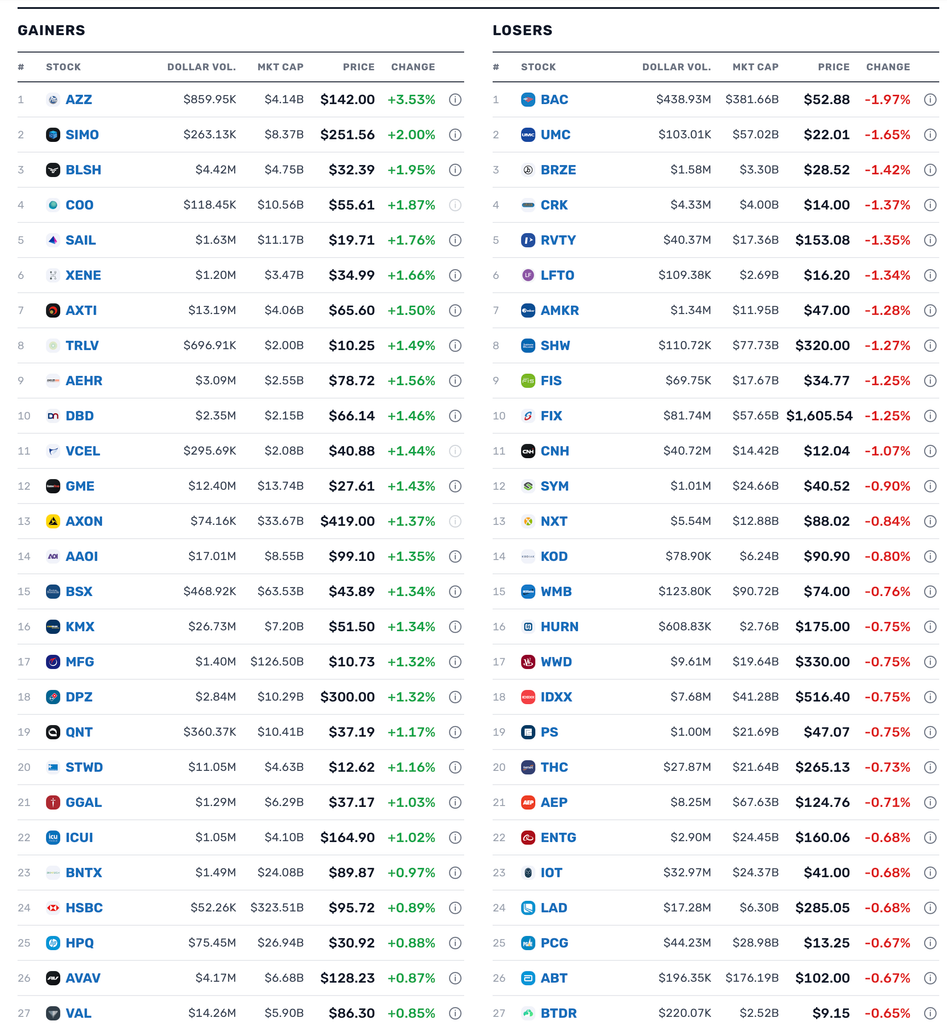
Position: None
Closing Volume
– NYSE volume 9% below its one-month average
– NASDAQ volume 16% below its one-month average
– VIX index: up 0.39% to 15.27
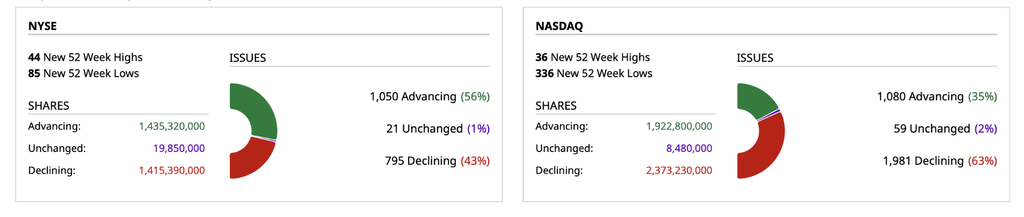
Breadth
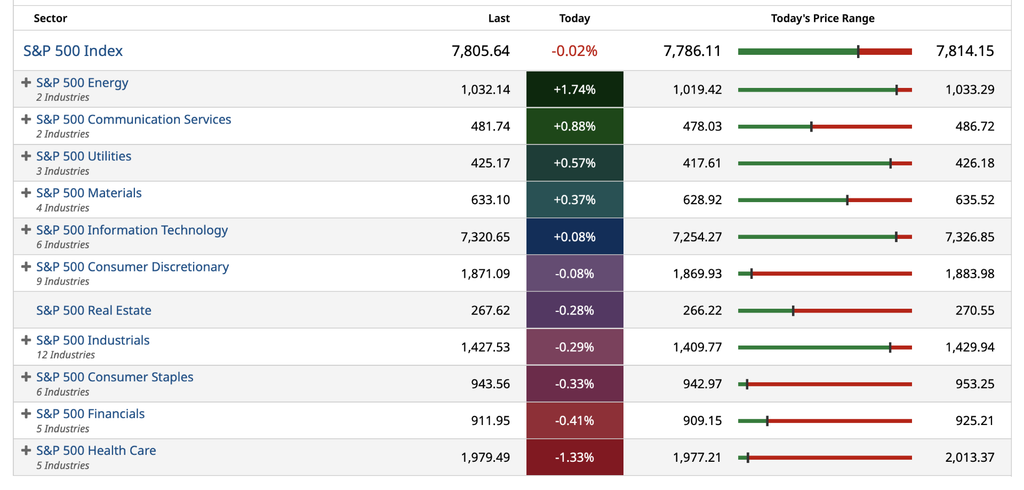
S&P 500 Sectors
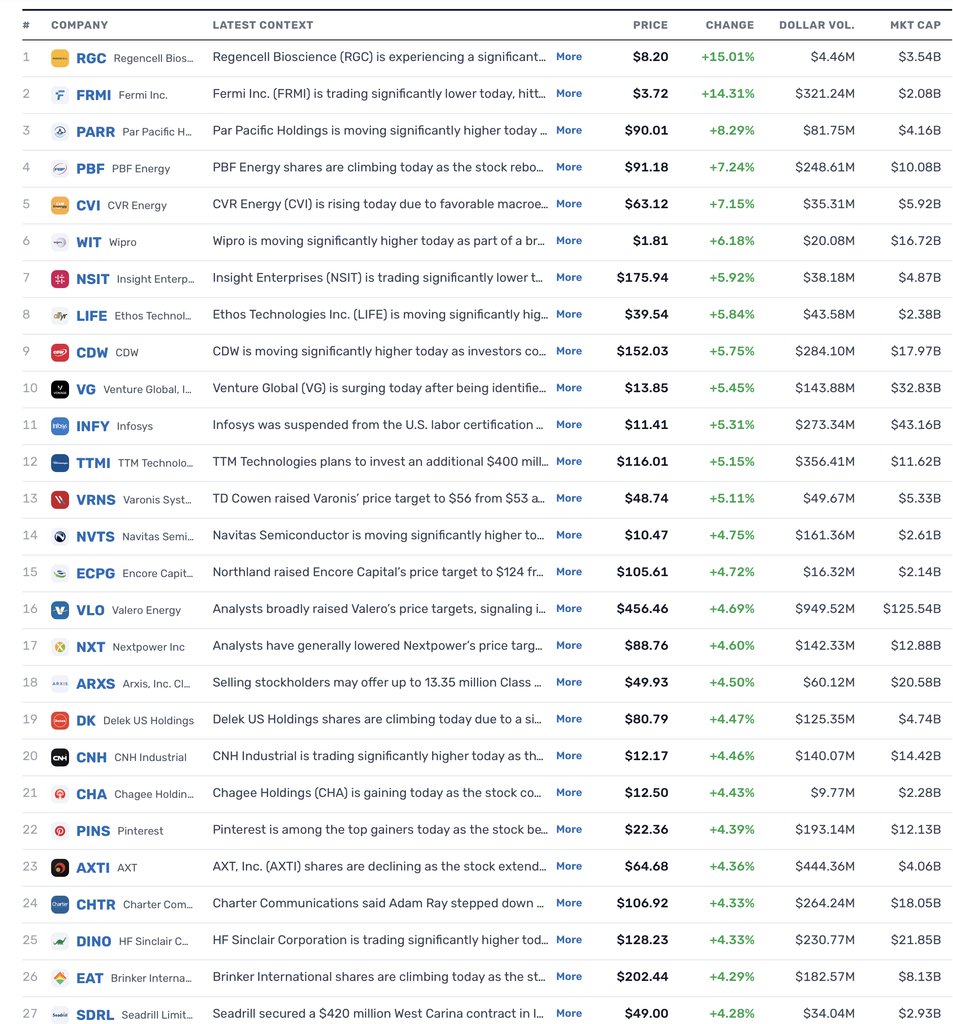
% Movers
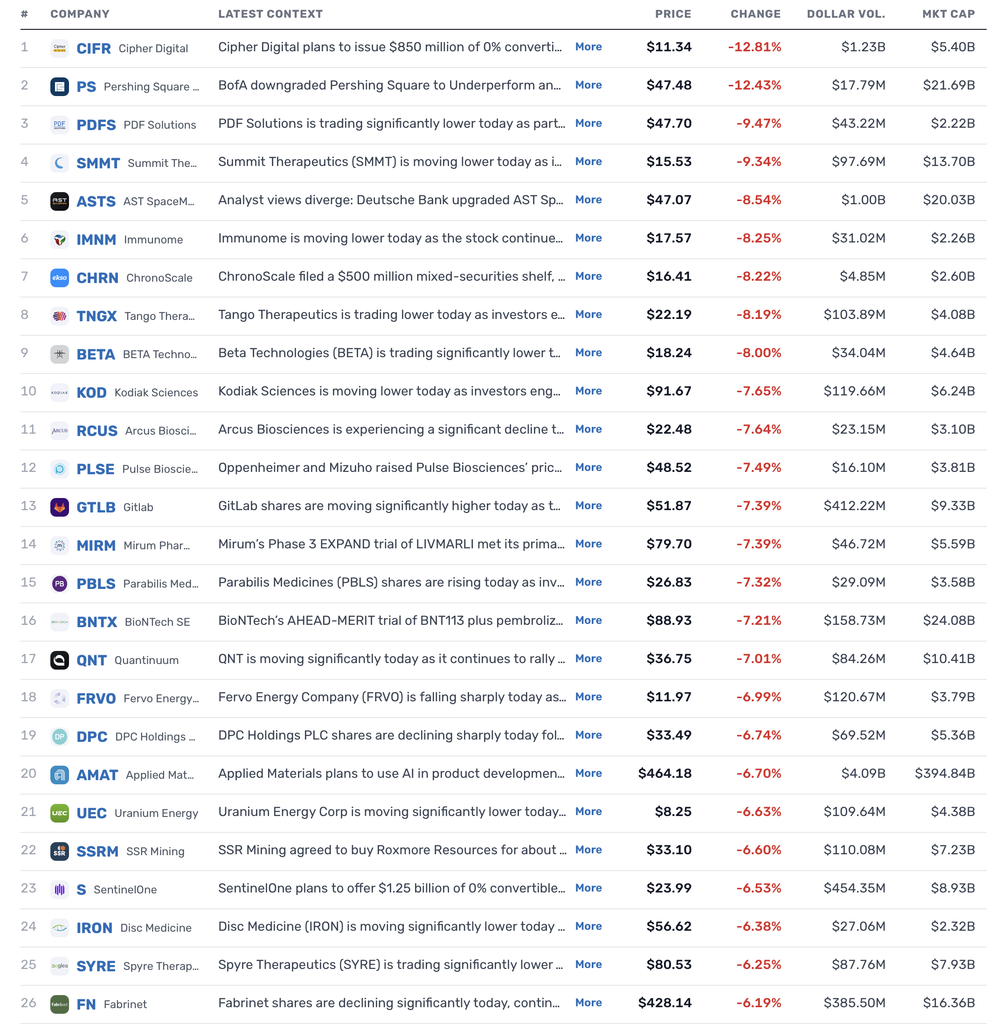
Heat Maps
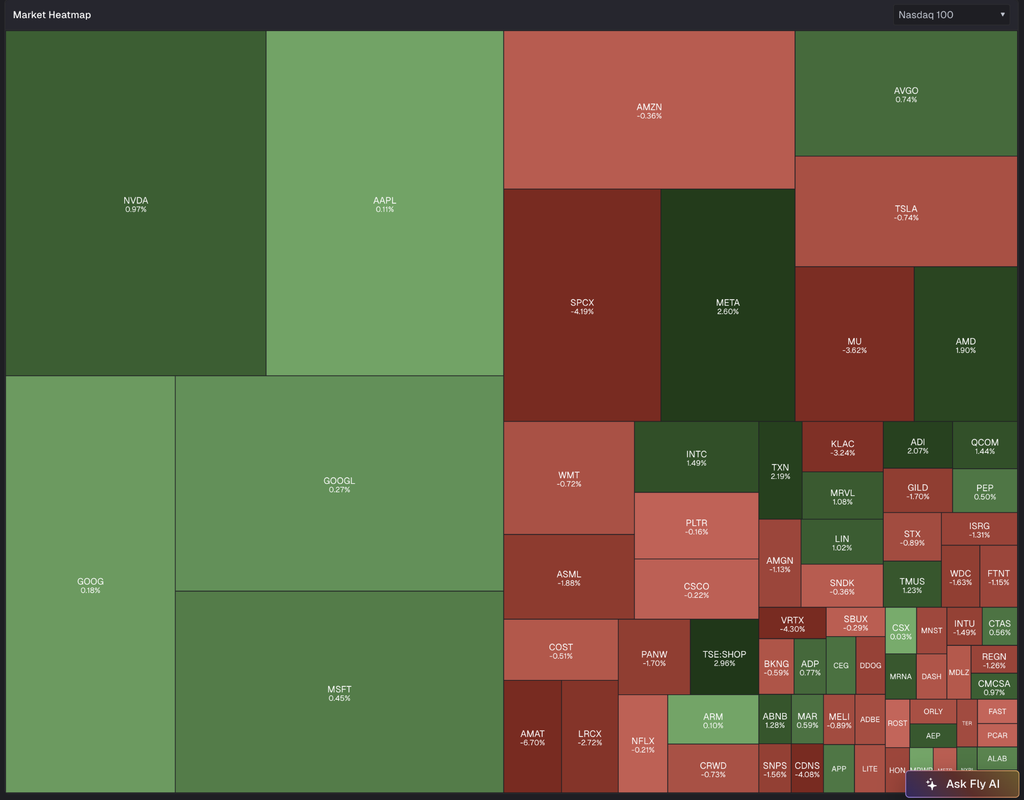
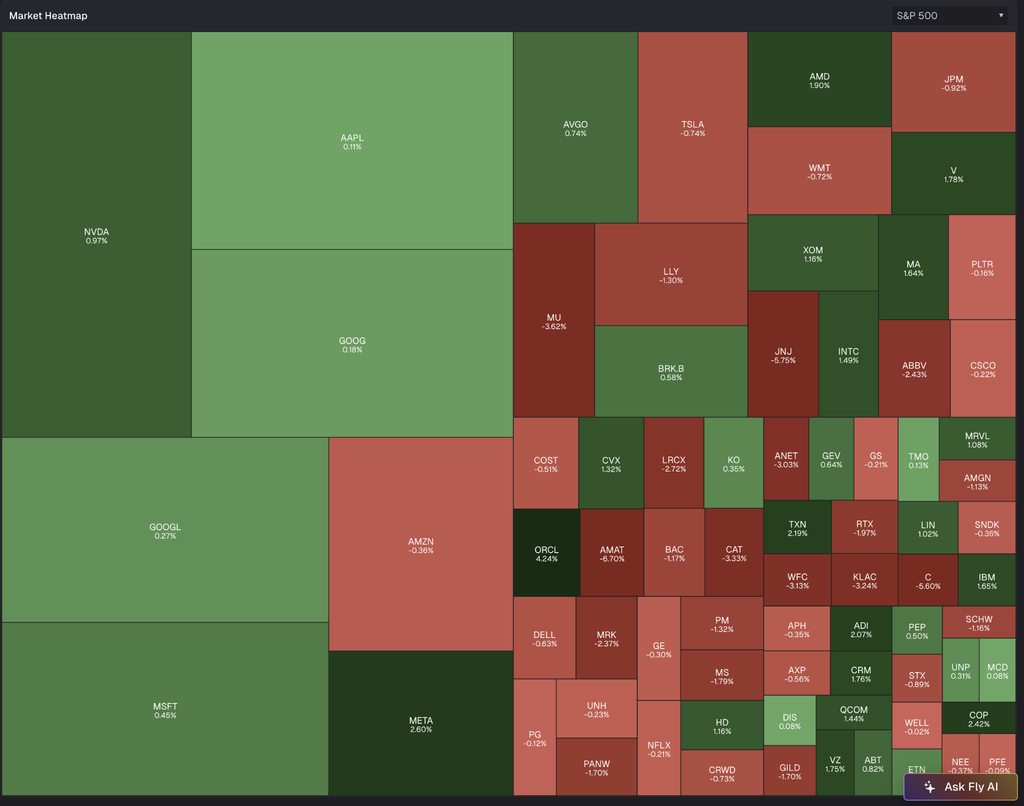
Position: None
The Dales Report with Shadd and Anthony discusses the rescheduling issue today.
“Trade to Black” is by far the best real-time source of all things cannabis.
The podcast started at 4 PM.
Let’s go to the tape.
Position: None
Today’s deadline is a filing deadline, not a decision point. October 13 is a filing deadline, not a scheduled restart or decision date. Chief ALJ Derek Julius set no deadline for a ruling on the motion or for a recommended decision. I couldn’t find reporting yet on what was actually filed today, so what follows is my read of the likely paths. mgmagazinemugglehead
What’s being decided: The order directs the government and other participants to respond to a motion seeking to introduce the newly released GAO report into the administrative record. The government’s response may run up to 20 pages. Other designated participants may respond under the same specifications but aren’t required to. gmlawkindgreenbuds
Likely outcomes after the filings
What the government is likely to argue: The GAO report found that for all 84 substances with final rules requiring a federal health recommendation, DEA’s decisions aligned with the recommendation. The agencies also concurred with GAO’s recommendations for written policies and an updated FDA–NIH agreement. That gives them room to argue the report is procedural, not substantive, and doesn’t undermine the Schedule III findings. I can’t confirm that’s the position they took in their filing. muggleheadkindgreenbuds
What doesn’t change: Whatever happens, April’s separate medical-cannabis order is unaffected. Even after the judge resumes, his recommendation is only a step toward agency action, rather than the final rule itself. The DEA Administrator still has to act. mgmagazinekindgreenbuds
Position: None
The Fed’s John Williams, who is a moderate and voter sees no need for rate hike in 2027 at this time with one more interest rate hike appropriate this year:
* He still believes disinflationary forces are at play
* There is no sign that the labor market is contributing to inflation
* He is not seeing broad price pressure outside AI and energy
* This is not an economy that is overheating
* AI is inflation driver I am watching most closely
* He supported September rate increase; Reason for September hike “starts from risk management”
Position: None
Wolf Street howls about the single family home dumpster.
Position: None
Unfortunately the business media is not very probing and doesn’t understand the complexity and nuances of the markets.
It too often dumbs things down (their viewers are more sophisticated than they may think):
Position: None
I remain short of CoreWeave ($CRWV):
Position: Short CRWV (S)
While I obviously disagree (see More Tales From Nvidia series) with Jim’s conclusion (I will not manage money based on a “greater fool’s theory” that it is rational to overweight AI even if you don’t believe it will work), his post is important:
Jim F
i just realised the stock market doesn’t think AI works.
the lack of breadth has been a bothersome contradition in the AI thesis. the thesis as i understand it is, AI tools will drive massive poductivity at ALL cpompanies lage and small. in turn these companies will be willing to share a large portion of the productivity windfalls with the AI tool providers that made it possible. those shared productivity gains of ALL companies will in turn drive the revnue for return of principle plus ROIC of todays spending. in theory that all makes sense.
the issue i have is breadth doesn’t match this thesis. lets say companies will pay 75% of the productivity gain to the AI providers and keep 25%. that would mean ALL companies in agregate are about to become more valuable by 1/3 the revenue projections diving AI valuations. for eample $100 of productivity gained is $75 fee to LLM’s and $25 of reatined earnings for the company. $25 is 1/3 of $75. so if ALL companies ara about to get this windfall why is the median stock -16% or 60% of the S&P -20% etc etc?
this has bothered be until today. today i realised the market doesn’t believe the AI revenues are going to happen. however, if you manage money you’re now in a prisoners dilemma. you can;
a) don’t invest in AI because you don’t believe in it. if you did that this year you lost all you AUM. money mangers job is grow AUM and not get best risk adjusted returns.
b) invest in AI and when it blows up you lose client money. however, all you competitors did as well. so you survive in you relative market share after the blow up.
this is why it’s actually rational to be overweight AI even if you don’t believe it will work.
Position: Short NVDA (S)