Luxury Brands Are Selling You More Than Just Physical Goods


The market for luxury goods remains strong, and CEOs appear to be optimistic. Here’s what I learned from speaking with the CEO of JLR.
The market for luxury goods remains strong, and CEOs appear to be optimistic. Here’s what I learned from speaking with the CEO of JLR.
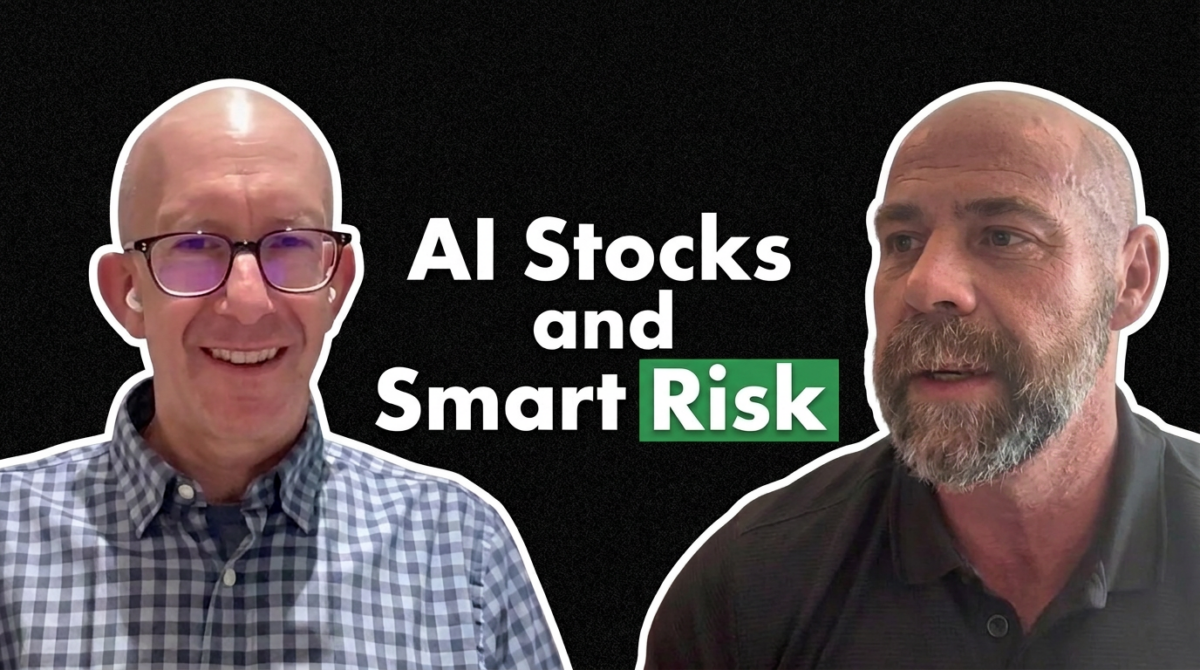
The latest in our series where we get to know TheStreet Pro’s team. Bob Byrne is an experienced investor and board member who sees incredible opportunities in AI.
That was fun! I hope you all got something out of my posts, even the one about the race cars.
I don’t have as much time these days to watch the market, so I tend to have a longer time horizon. I won’t make you money on an intraday basis, but hopefully, I offer a perspective on the markets that helps with your own analysis.
Have a great weekend, and thank you for being members of TheStreet Pro.
JMesh
The answer is, you don’t have to go anywhere. Our new(ish) Markets tab has Gainers, Losers, and more.
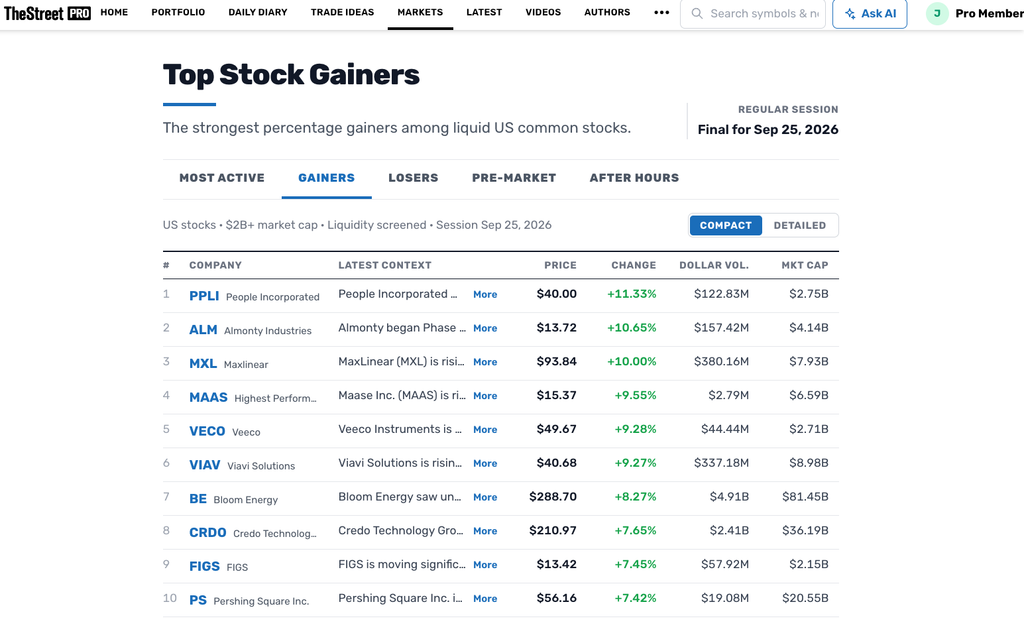
If you’re not familiar with this tab yet, check it out and let me know what you think. More to come in the future!
Sorry! I meant to post this one all day, and got wrapped up in other things.
The question is, once you’ve finished reading this entry, where would be the quickest place for you to see most active stocks and ETF lists, as well as an earnings calendar?
What site would you do it on?
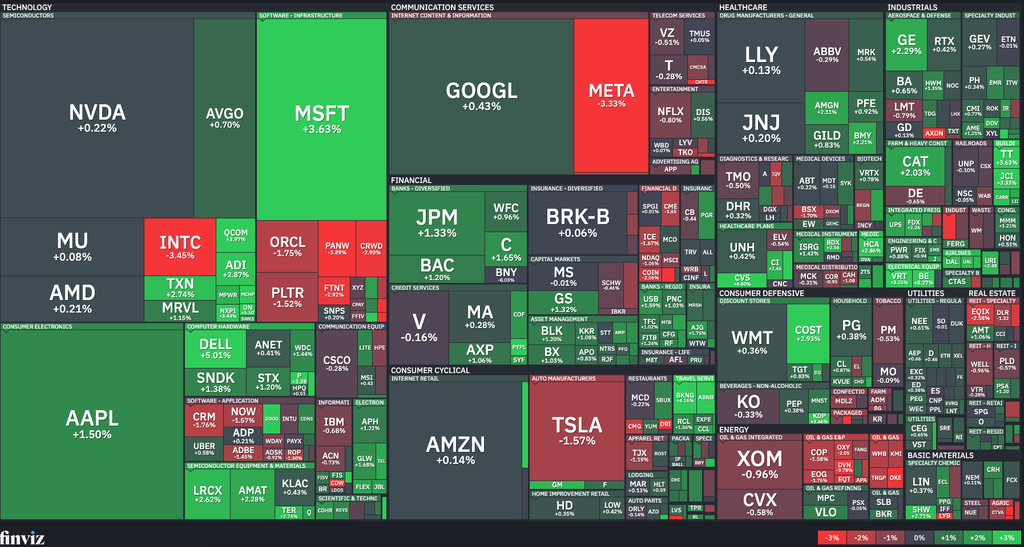
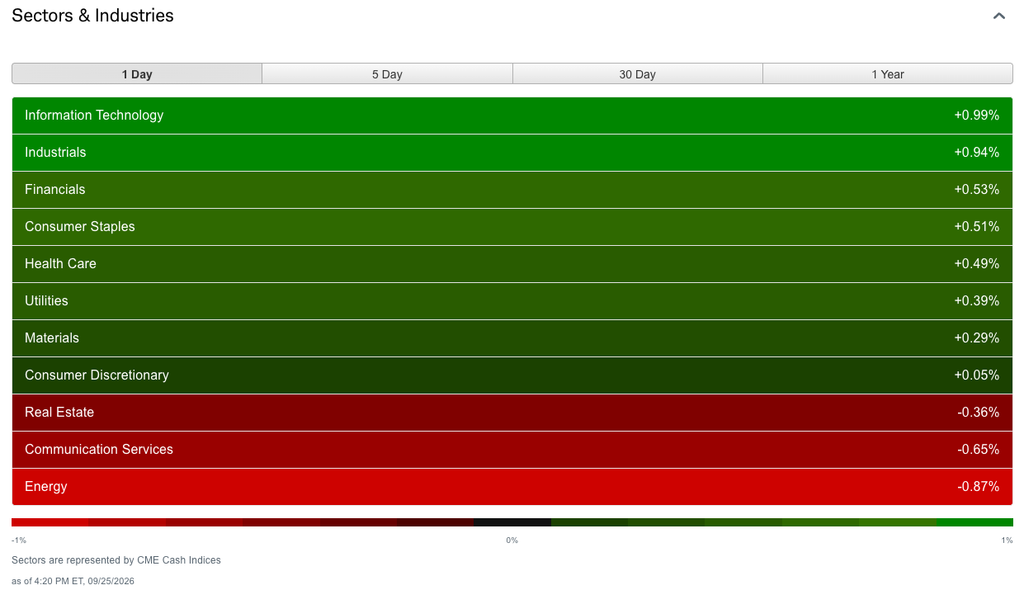
OK, maybe not the most engaging question, but I’m getting excited to be back in a race car, so bear with me.
First of all, here’s a picture of the car:
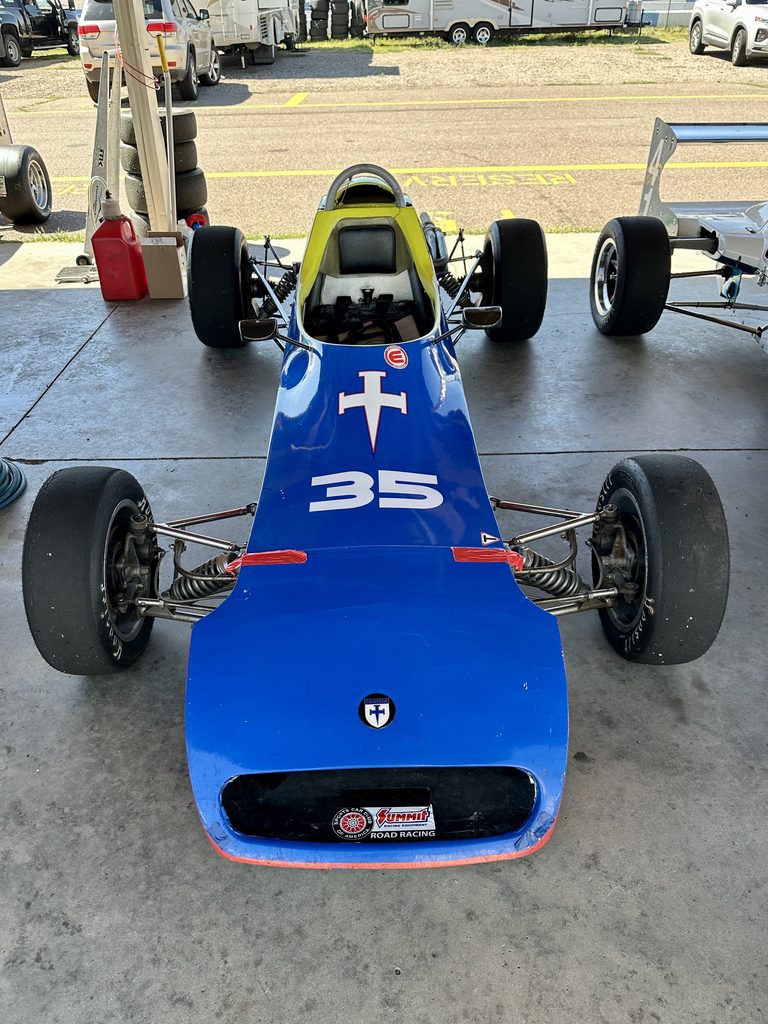
It’s a 1977 Crossle Formula Ford, running a 1.5 liter motor out of a British Ford economy car. It’s light on power, but it’s light overall, too. With me in the car, it’s about 1100 pounds. That’s about one-ton lighter than the Porsche.
Now, the Porsche still wins on power-to-weight, with about 312 hp per ton. My little Crossle has about 210 hp per ton. The Porsche will also destroy me on top speed. I’ll top out around 115 mph, while the Porsche will probably get to 140 on the straight and can hit over 190 mph on the German autobahn.
But I’m nearly as fast. I can turn a 1:58 lap time for around a 77 mph average speed, nearly as fast as the Porsche.
The answer is C!
So, let’s bring it back to investing.
The Porsche’s strength is its acceleration. The Crossle’s strength is its cornering speed. Basically, I can brake later and maintain a higher speed through the turn.
If you were to compare the data traces of the two cars, you’d see the Porsche’s swing up and down more violently than the Crossle’s.
It’s kind of like the volatility of a portfolio. You want your portfolio to have fewer ups and downs and just get on with making money. The lesson is that risk matters. You can build a portfolio that is lower risk and offers similar returns to one that is higher risk; plus, you’re just more likely to meet your goals with the lower volatility one.
Tomorrow, I’m going to be participating in a vintage race at our local track. I won’t tell you the car (yet), but it’s got a 1.5 liter 4-cylinder engine. It will be on racing tires (slicks), however.
This is the prior generation of Porsche 911 GT3 RS. It’s got 4 times the horsepower of my little car and a big wing to create lots of downforce. It’s also got a price tag well into the 6 figures. Yes, I want one.
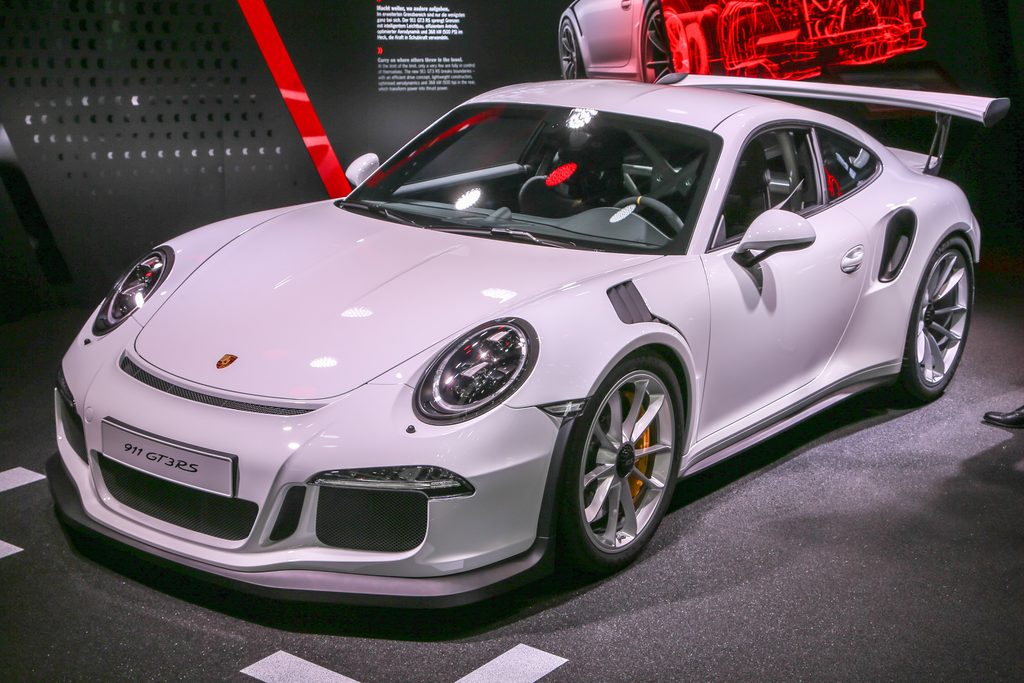
That car set a record time around High Plains Raceway of 1:56.88, which corresponds to an average speed of 78.54 mph.
About how fast can I expect my little 4-cylinder car to go around the same track tomorrow?
In my last job, I did some work with the CDS team at what was then called Markit (now S&P Global). They’re smarter than me, but I learned that when a CDS chart points upwards, that’s bad. Up bad. Down good.
Why? CDS (Credit Default Swaps) are insurance that bondholders take out against the risk of a bond’s default. They’re an excellent indicator, and I used CDS in a model that I built that did a really nice job of predicting future stock performance.
The lesson I learned was, don’t bet against bondholders. They’re smarter than stockholders.
So, when Gavin Nolan at S&P publishes a report, I try to read it. I can’t share the report here, but you can click the image to go to his original post, where it’s available.
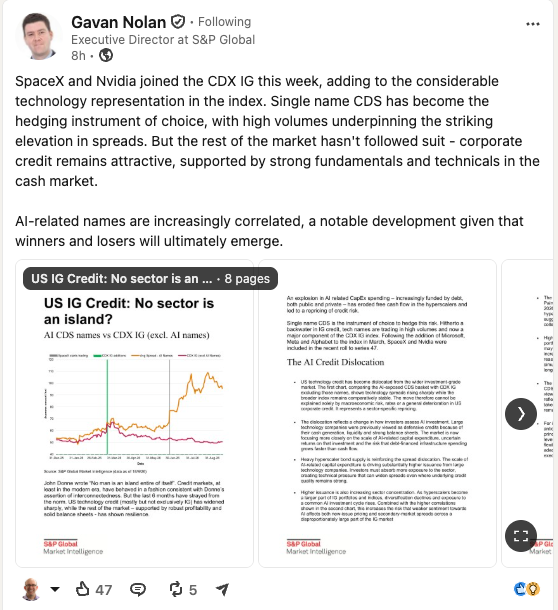
Here’s my quick summary:
Why is this important? Why listen to bondholders? Bond returns are asymmetric. If AI succeeds, bondholders get their promised cash flows. If AI stumbles, the bonds default and bondholders get what’s left, if anything. When they’re worried, you should be, too.
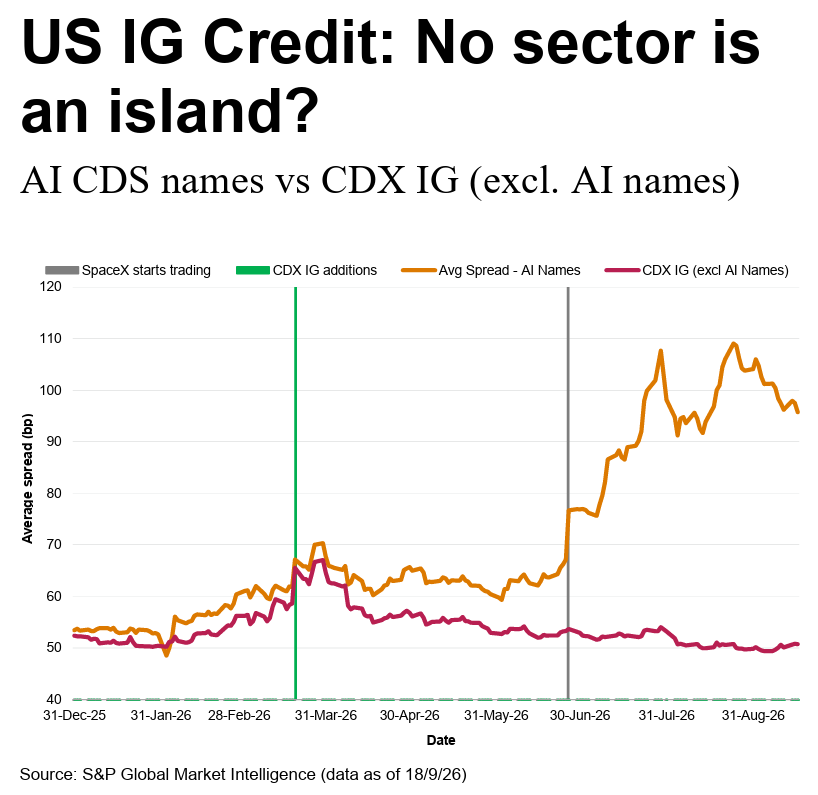
In other words, now that Artificial Intelligence is Super Intelligence, we should be super cautious.
Actually, Super Intelligence is a dumb name for something coming out of a computer. I’ll bet on human intelligence over the computer stuff any day. Humans are super. Computers are subservient (I hope). Rant over.
Like Dougie, I’m a fan of Scott Galloway’s work. Today, he writes about a topic that probably includes many of you: Everywhere Millionaires.
My takeaway from this piece is that if you believe in capitalism, support small businesses.
And TheStreet Pro just happens to be a small business! Thank you for your support.
https://www.profgmedia.com/p/the-1-next-door