More Tales From Nvidia: Counting on AI Buildout’s Mega Payout? (Issue #258!)

Position: Short NVDA S
Position: Short NVDA S
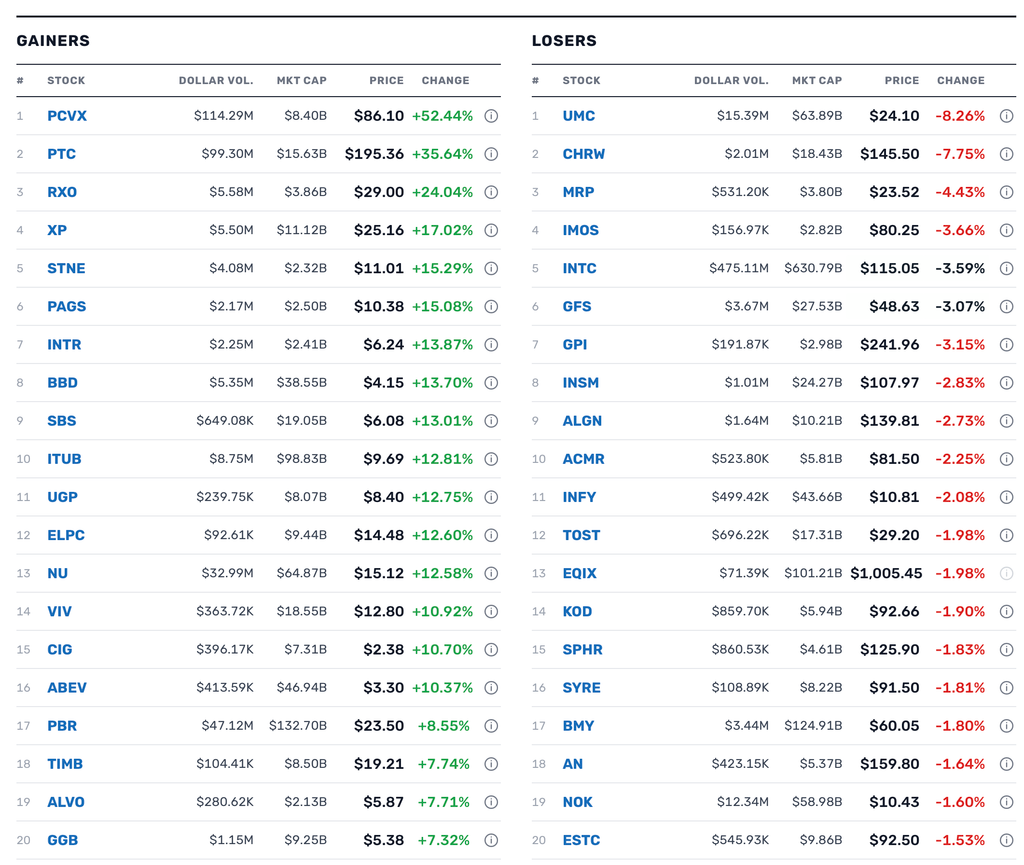
– $ALEC +58% (global AL050 license brings $100M upfront, up to $1.17B in milestones and extends the cash runway into 2029)
– $PCVX +55% (VAX-31 OPUS-1 pivotal Phase 3 trial met all prespecified primary endpoints with a safety profile comparable to existing vaccines)
– $PTC +36% (agrees to a $205-a-share all-cash takeover valuing its equity at about $22.6B)
– $RXO +23% (agrees to a $5.8B cash-and-stock takeover by $CHRW, implying about $30.25 a share)
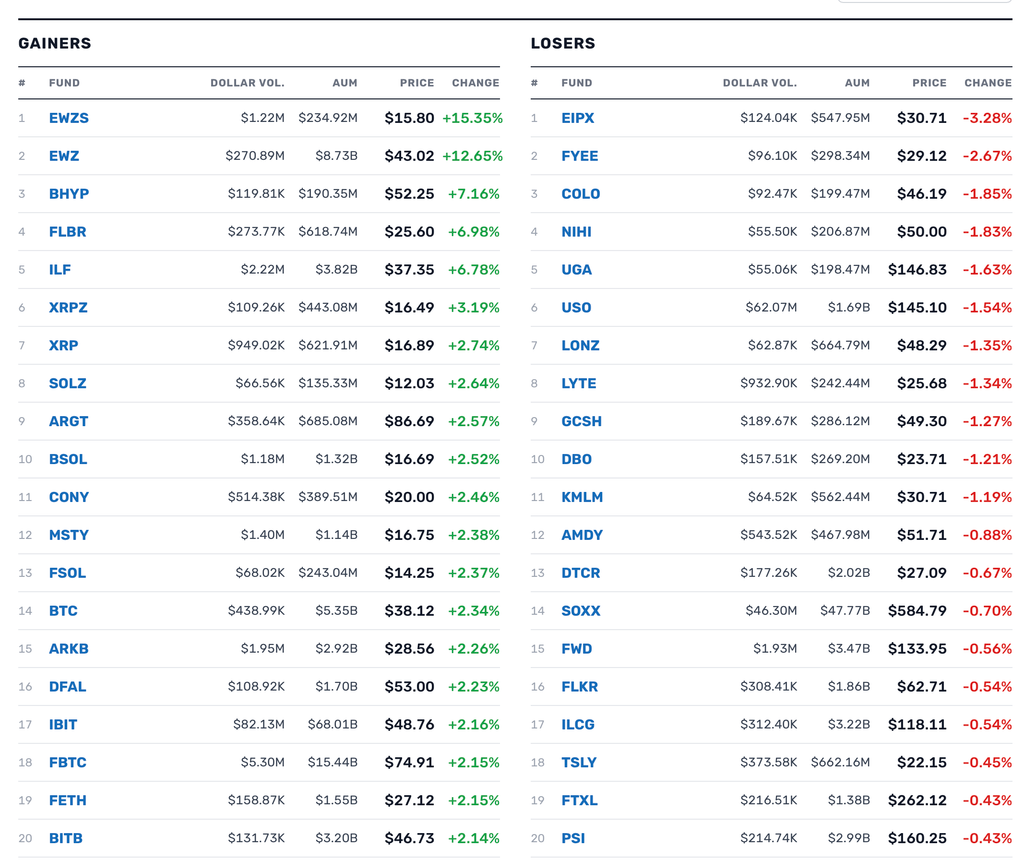
– $XP +17%, $BBD +12%, $NU +13%, $ITUB +14%, $PBR +9.4%, $EMBJ +5.4% (Brazil-linked ADRs surge after the right-wing candidate outperformed polls and led first-round presidential voting)
– $ADSK +4.4% (industrial-software M&A read-through from the PTC takeover)
– $VST +3.5% (reported $4.2B federal loan package expected to fund upgrades at three nuclear plants)
– $CHRW -7.6% ($RXO acquisition requires new debt and a buyback pause while the market weighs execution and integration risk)
– $INTC -3.8% (no clear fresh company catalyst identified as chip shares lag softer technology futures)
– $ALGN -3.1% (no clear fresh company-specific catalysts identified; notable liquid premarket declines)
Source: TheStreet Pro
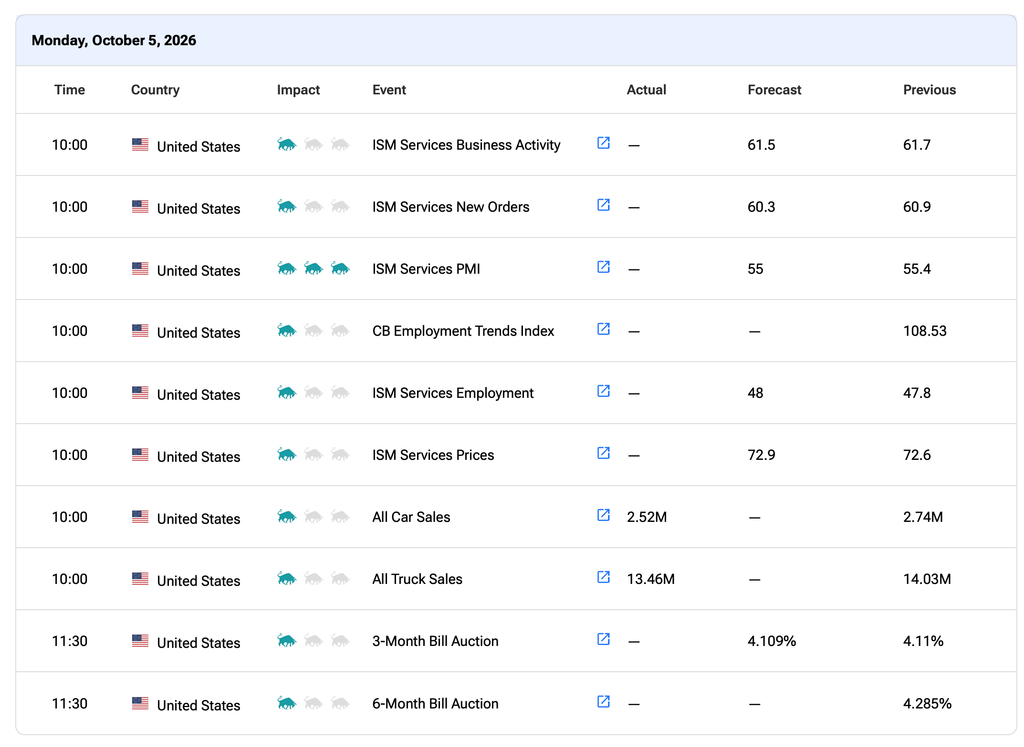
source: TipRanks
Bank of America lowers financials…
KKR – BofA lowered the firm’s price target on $KKR to $138 from $143 and keeps a Buy rating on the shares. The firm is adjusting its estimates and price targets for alternative and traditional asset managers ahead of Q3 earnings from the group.
$BX – BofA analyst Craig Siegenthaler lowered the firm’s price target on Blackstone to $122 from $138 and keeps a Buy rating on the shares. The firm is adjusting its estimates and price targets for alternative and traditional asset managers ahead of Q3 earnings from the group.
$APO – BofA analyst Craig Siegenthaler lowered the firm’s price target on Apollo Global to $161 from $163 and keeps a Buy rating on the shares. The firm is adjusting its estimates and price targets for alternative and traditional asset managers ahead of Q3 earnings from the group.
$WFC – Goldman Sachs lowered the firm’s price target on Wells Fargo to $96 from $107 and keeps a Buy rating on the shares. Large-cap banks enter Q3 earnings with solid revenue and credit fundamentals but more normalized capital-markets activity, continued NII support from loan growth and fixed-rate repricing offset by higher deposit costs, and moderating capital returns, the analyst tells investors in a research note.
$C – BofA analyst Ebrahim Poonawala lowered the firm’s price target on Citi to $160 from $176 and keeps a Buy rating on the shares. The firm revised its Q3 EPS estimates for the GSIB banks up by 0.8% on average, and reduced its price targets for the group down by about 8% on average, citing lower multiples.
$GS BofA lowered the firm’s price target on Goldman Sachs to $1,050 from $1,300 and keeps a Buy rating on the shares. The firm revised its Q3 EPS estimates for the GSIB banks up by 0.8% on average, and reduced its price targets for the group down by about 8% on average, citing lower multiples.
$WFC – Morgan Stanley upgraded Wells Fargo to Overweight from Equal Weight with an unchanged price target of $102. Morgan Stanley also moved Wells to Top Pick. The firm believes 2026 has been a transition year, with Wells rebuilding its “growth engine ahead of the full benefit to earnings and returns.” The bank’s earnings profile will improve in 2027 with less margin dilution, more revenue from existing client relationships, and continued operating leverage, the analyst tells investors in a research note. Morgan Stanley views Wells shares as undervalued and sees a path to 17% to return on tangible common equity in the second half of 2027 and 18% in 2028
Positions: Short APO VS KKR VS BX VS
Source: TheStreet Pro
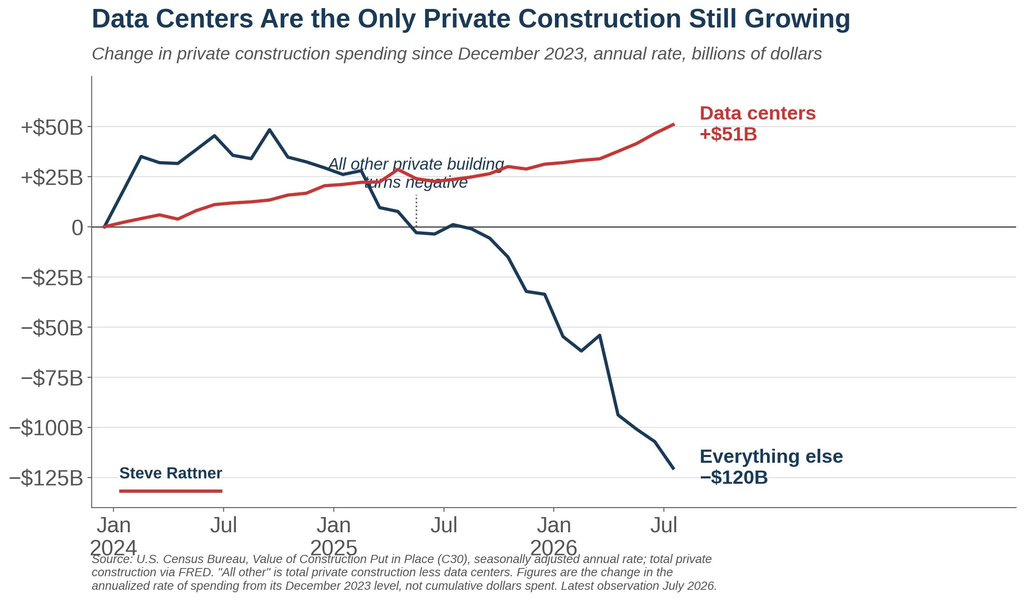
Positions: None.
Positions: None.
New short position, Nvidia ($NVDA) (premarket at $235.01).
More later this week.
Position: Short NVDA S
One strong headwind to equities, as I have been noting all year, is the relationship between a multi-decade low S&P dividend yield of only 1.07% compared to a multi-decade high in the 10-year Treasury yield of 5.28%:
Moreover, it is also important to note that historically dividends provide about 30% of the S&P Index’s total return.
With an S&P dividend yield close to 1%, where is the beef?
Positions: None