SNL on AI’s Dario Amodei

Position: None
Position: None
* This sort of relatively frenetic trading is not for everyone, but it’s for me … for now and until a more serious drop occurs
With S&P futures -45 handles and Nasdaq futures -330 handles I am taking in most of my index shorts for a quick, overnight profit:
* $SPY $766.95
* $QQQ $736.75
Position: Short SPY (VS), QQQ (VS)
* There is less that meets the eye in the U.S. stock market
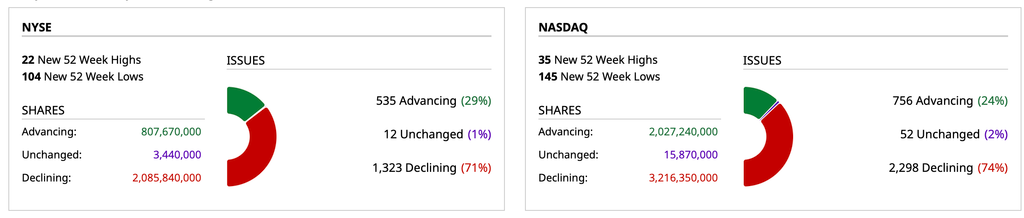
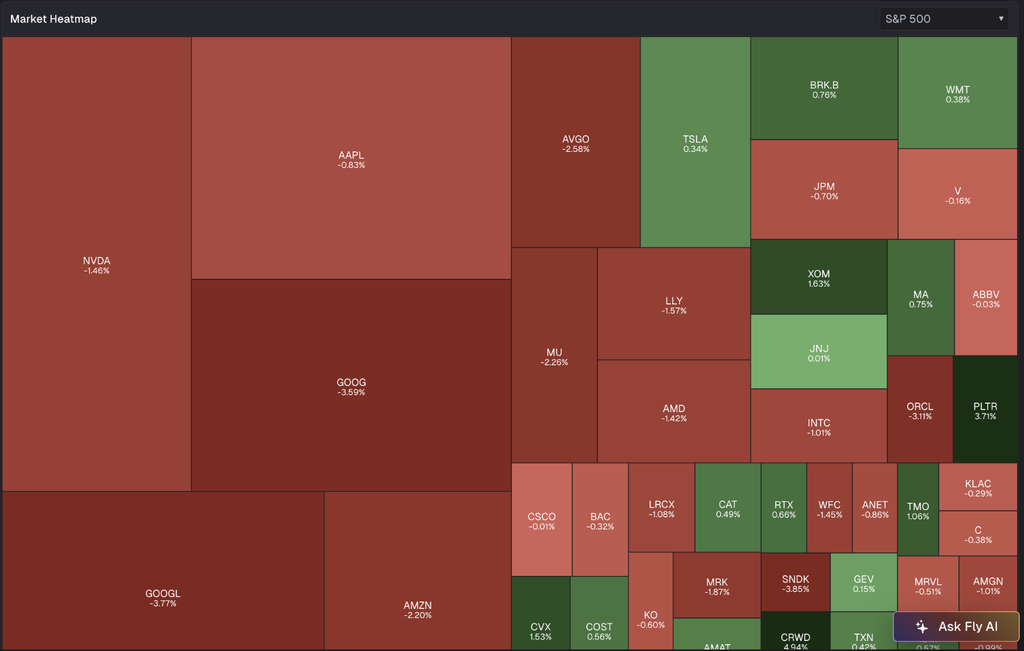
* Market breadth has a foul odor, the average stock is falling, crude oil and interest rates are rising and complacency reigns…
The quote “there’s not much there there” comes from Gertrude Stein’s book Everybody’s Autobiography written about 90 years ago. The phrase conveys that a place, person or situation lacks substance or death and originated from Stein’s reflections about her childhood neighborhood in Oakland, California. It was Stein’s feeling that the area had changed dramatically with the familiar landmarks and very essence of her youth gone (leaving a sense of emptiness and loss). Stein believed that time and development erased the “there” of her childhood city.
At 5:30 AM S&P futures are -39 handles.
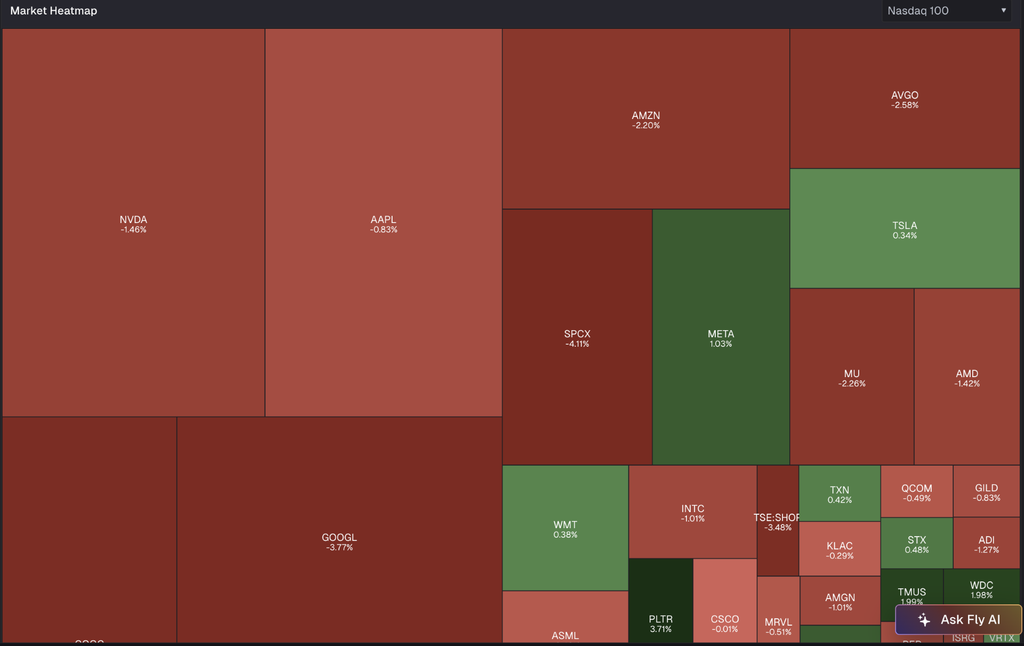
More interestingly is that Nasdaq futures are -310 handles — with, an infrequent occurrence that memory/semis AND hyperscalers are all falling down together.
A rejection by the president of an Iranian cease fire proposal has resulted in a +$3 rise in the price of crude oil.
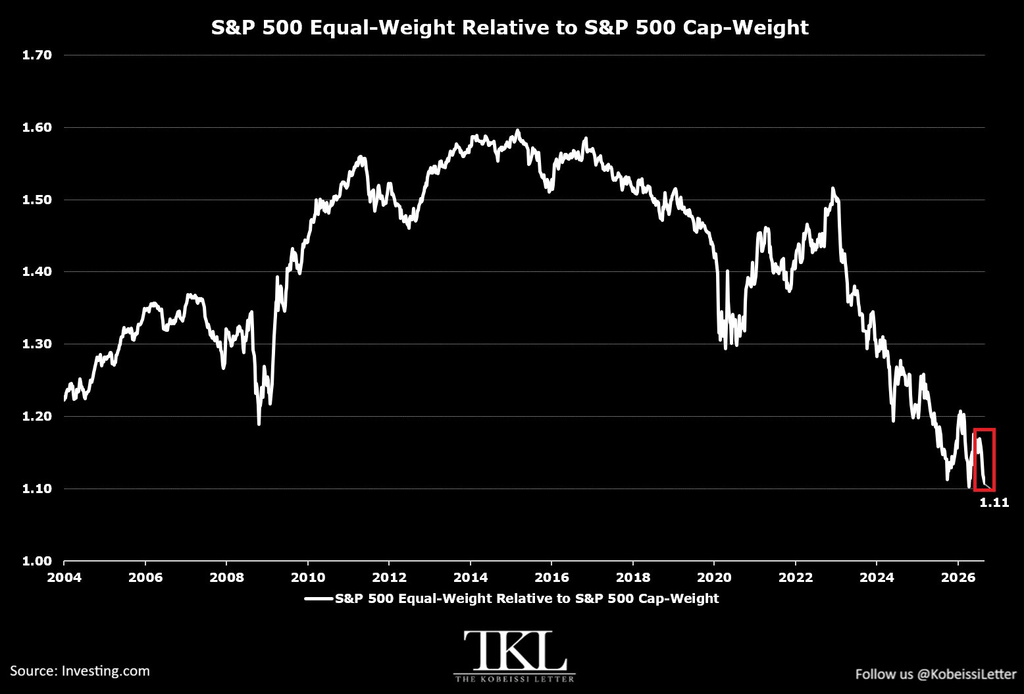
For four months we have cautioned that the market IS NOT BROADENING OUT (despite a near-universal view on the part of the bullish cabal) and that market breadth is foul.
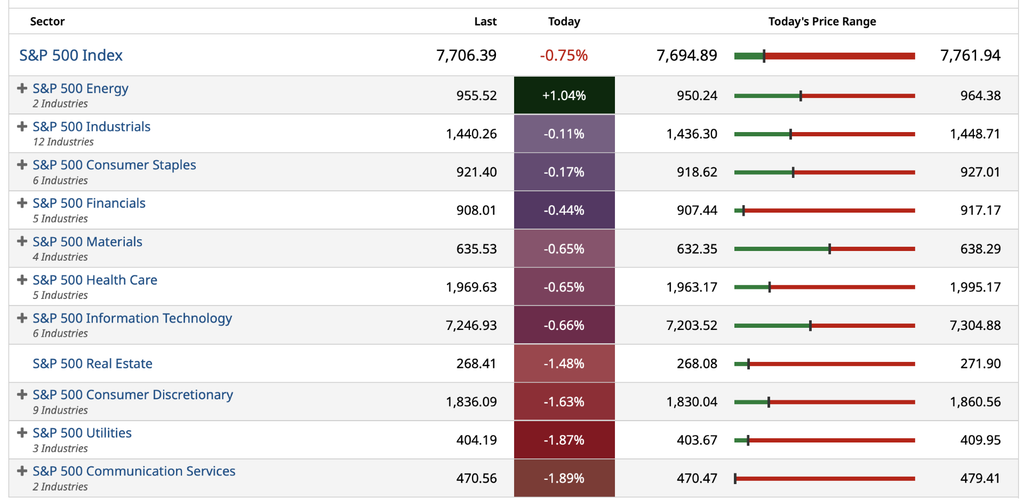
Importantly, several leading market sectors (e.g. financials/banks) are clearly rolling over — along with the Russell Index ($IWM) and the equal weighted S&P Index ($RSP):
As noted in my post in the Comment Section and in my Diary, I put back on my index shorts at around 8 PM Sunday night:
Sunday Night Trading
From last night:
Dougie Kass
8PM Sunday Night
Back shorting the Indices:
Position: Short SPY (S), QQQ (S)
BY Doug Kass · Sep 28, 2026, 5:41 AM EDT
Position: Short SPY (S), QQQ (S)
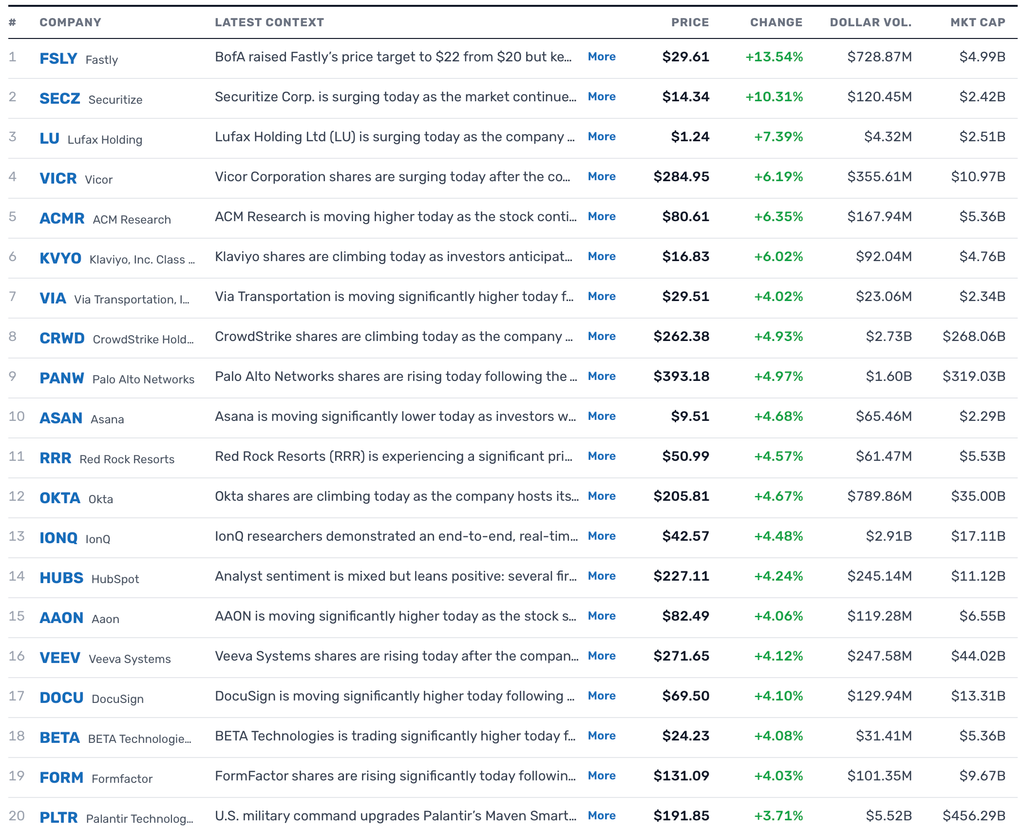
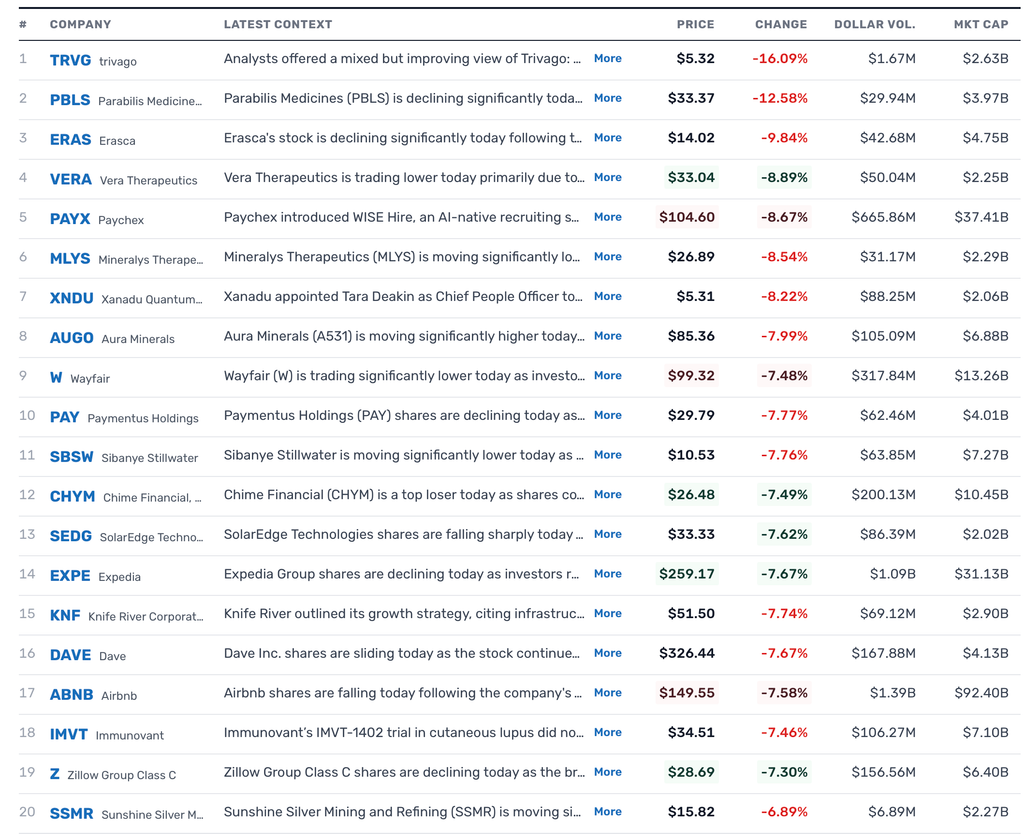
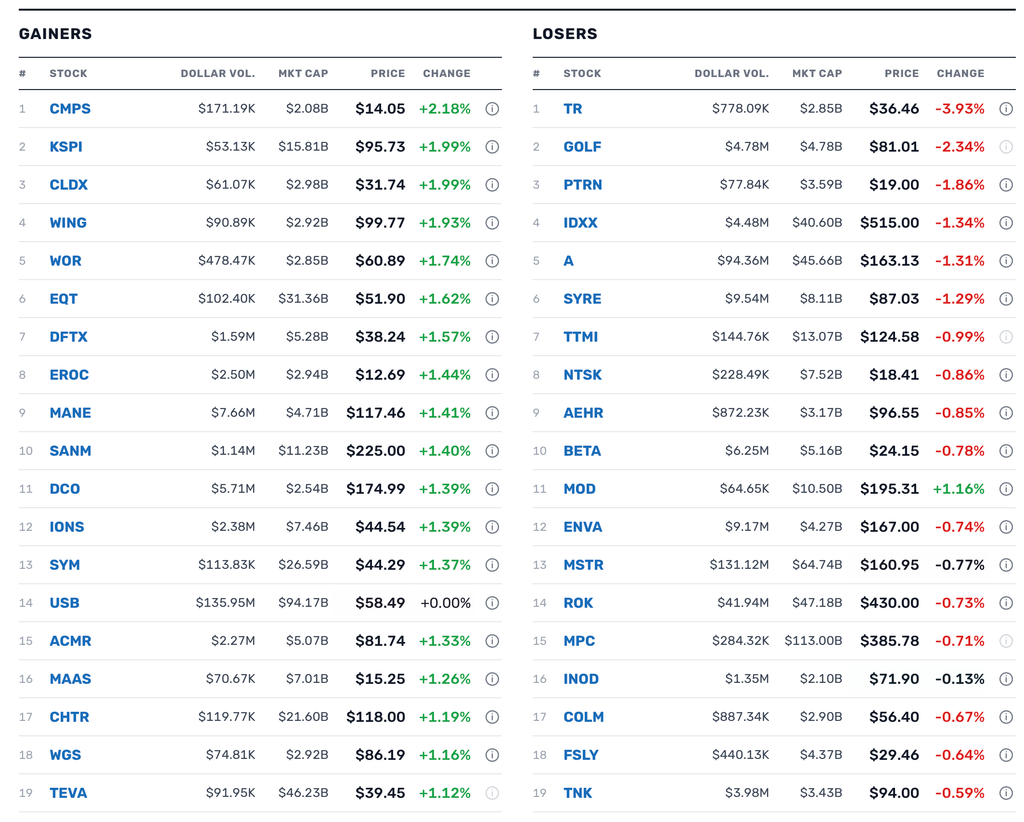
* Bookmark this list:
https://twitter.com/realEstateTrent/status/2103550750466920808/photo/1
Position: None
The S&P Short Range Oscillator remains oversold at -4.55% vs. -4.39%
Position: Short SPY (S), QQQ (S)
From last night:
Dougie Kass
8PM Sunday Night
Back shorting the Indices:
Position: Short SPY (S), QQQ (S)
Position: None
All day long the bulls are denying the validity of today’s decline.
The principal criticism they have is the strength in S&P EPS.
One month ago I debunked the argument that strong EPS means strong stock prices in this column (reposted in its entirety because it was an important one):
BY DOUG KASS · Aug 25, 2026, 9:35 AM EDT
The investment mosaic is far more complicated than suggested by hosts, investment strategists, panelists and guests in the business media.
Specifically, many distill the bullish argument to this: Since 2026 S&P EPS is expected to be about +20% (well above consensus expectations at the beginning of the year), the S&P price gains in 2026 should be about in line with that profit growth (or better). Candidly, that sort of distillation is the essence of “first-level thinking.”
First-level thinking is lazy, simplistic and superficial — it looks for simple formulas and easy answers. To paraphrase Howard Marks:
Most recent examples of when S&P EPS was better than expected and strong were in 2018 (+20.5% EPS growth, -6.6% decline in the S&P), 2006 (+16.7% EPS growth, +11.3% rise in the S&P), 2005 (+19.3% EPS growth, +8.8% rise in the S&P) and 2004 (+20.1% EPS growth, +4.2% rise in the S&P).
Going back, during the last 50 years — other 12-month periods with robust EPS growth and less-than-stellar to down S&P price include the years 1993, 1992, 1987, 1984, 1979 and others.
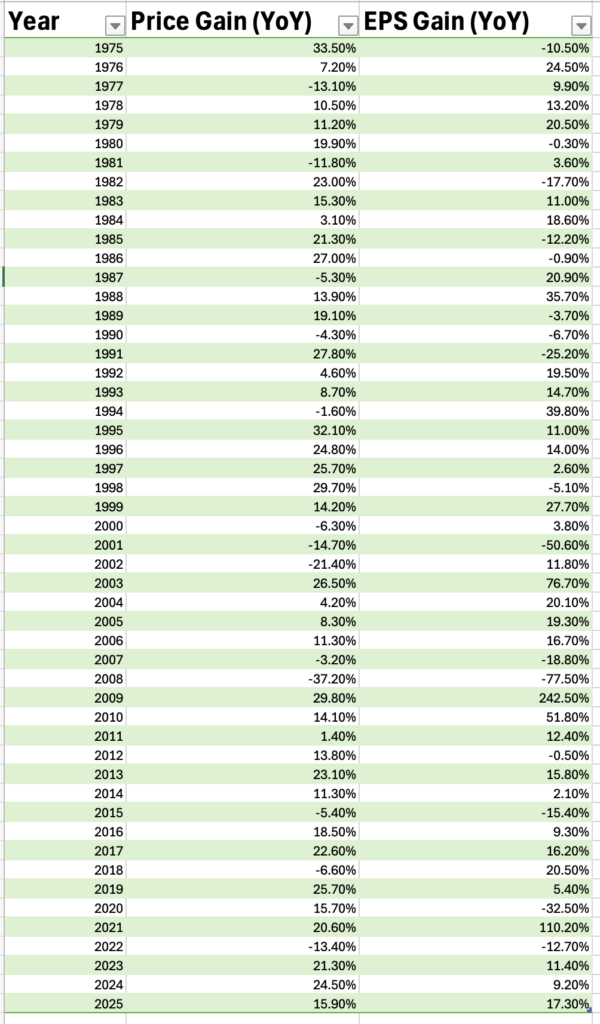
Furthermore, I would argue that the backdrop of 2026-2027 offers unique market challenges relative to prior periods since 1975 (“it’s different this time”):
* High and rising inflation and interest rates.
* A burgeoning deficit and U.S. debtload may be a permanent condition giving the general lack of discipline from both parties in Washington DC.
* Improvisational geopolitical and fiscal policies that present threats to political and economic stability.
* Both parties are moving to extremes — the Republican party more to the right and the Democratic party to the left. With a possible Democratic congressional majority win in November, anti-corporate policy (higher corporate taxes, etc.) may be in the offing.
* Traditional valuation metrics in the 98%-tile and two standard deviations above the average.
* The AI capital spending spree and gains from investments have inflated S&P profit reports — as noted in my “More Tales From Nvidia” series an earnings reckoning may lie in the not too distant future.
Looking at any one variable (e.g. S&P EPS growth) to forecast S&P price is fatuous, simplistic, lazy and is contradicted by past investment returns data.
Stated simply, the correlation between S&P EPS growth and S&P price gains is a crutch and is not a reliable indicator.
The investment mosaic is far more complex than many present in the business media.
Position: Short SPY (VS)