The Return of Jensen Huang? Here’s How It Could Happen.

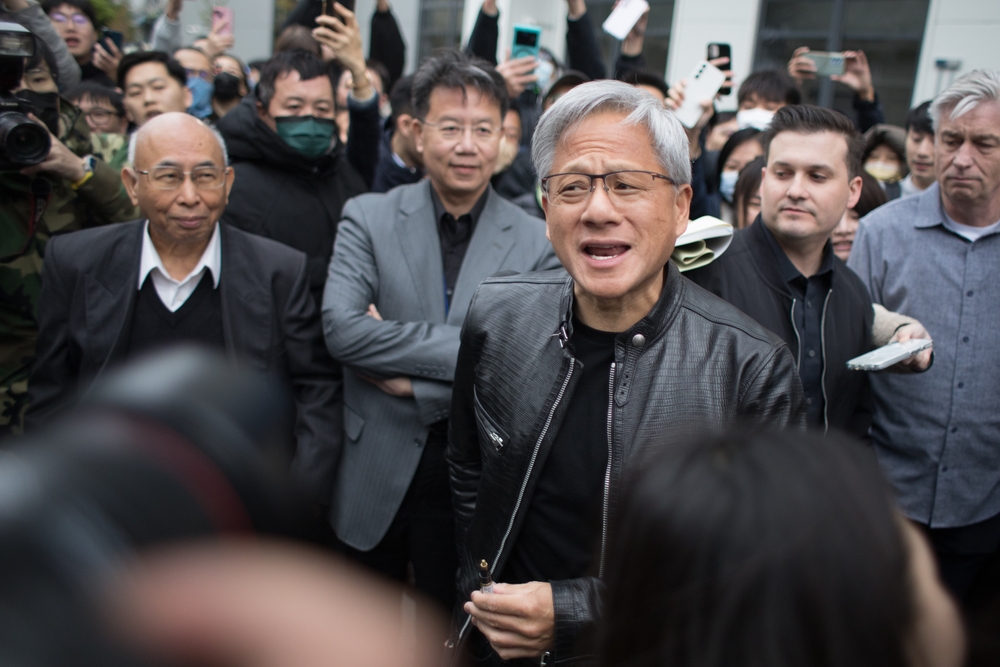
Nvidia ($NVDA) put up some outstanding numbers in its third quarter. The AI-focused chipmaker earned $2.68 per share, vs. estimates of $2.47. Revenue of $115.8 billion was about 6% above expectations. The company also raised revenue estimates for its current quarter to $130 billion, while increasing its full-year revenue estimates for 2028.
The news bumped the stock up from $155 to $160 in pre-market trading Wednesday. The question is, are those figures good enough to carry the stock higher from here?
A Different Era
Nvidia’s third quarter ended on October 25, less than a month ago, but that quarter exists in a different era. The controversies that led to Jensen Huang’s resignation became public just a few days after that quarter ended.
Nvidia’s Chairman of the Board, Harvey Jones, indicated in Tuesday afternoon’s post-earnings conference call that Huang would not return to Nvidia as CEO. Nvidia’s interim CEO, Colette Kress, indicated that the search for Huang’s replacement is ongoing.
However, there is a way to circumvent Nvidia’s board.
The Road to Huang’s Return?
It’s been suggested that Jensen Huang could return as CEO of Nvidia, if the board of directors was reconstituted or replaced. What would have to happen in order for this to occur?
A special meeting could be called by shareholders. Those shareholders must jointly control 15% or more of the company’s voting rights.
That obstacle seems surmountable, but some of Huang’s most vocal supporters have little say in the matter. Between them, Altimeter Capital’s Brad Gerstner and Atreides Management’s Gavin Baker control less than 1% of Nvidia’s voting rights. Jensen Huang, who has indicated his desire to return to Nvidia, controls about 3.6%.
Based on the above figures, calling the meeting would be difficult, but not impossible.
The Hardest Part
While the threshold for calling a special meeting seems relatively low, the removal of board members requires significant support. Removing a director from the board “with cause” requires over 50% of the vote.
However, no wrongdoing on the part of the board has been suggested.
Removing a director without cause requires the support of 66.6%. Not 66.6% of the vote, but 66.6% of the company’s outstanding voting power. This means that shareholders who refrain from voting, regardless of their views on the subject, are essentially supporting the board. Two-thirds of all potential votes must be cast against the board in order for the motion to succeed.
Bottom Line
There is a path for Jensen Huang to return as Nvidia’s CEO, but it’s a very difficult path.
Keep in mind that while Huang hasn’t been charged with any crimes, there is an ongoing SEC investigation, so future charges are possible. Now imagine the outrage Huang’s return would cause if those charges were to materialize. He might have to resign for a second time.
Nvidia shareholders want him to return, because they believe Huang can heal the damage done to the stock. But even if he did return, things would never be the same. Nvidia has to move on from Huang to regain some semblance of normality.
At the time of publication, Ponsi had no positions in any securities mentioned.
